One-Size-Fits-All Teaching: Why It Leaves Learners Behind

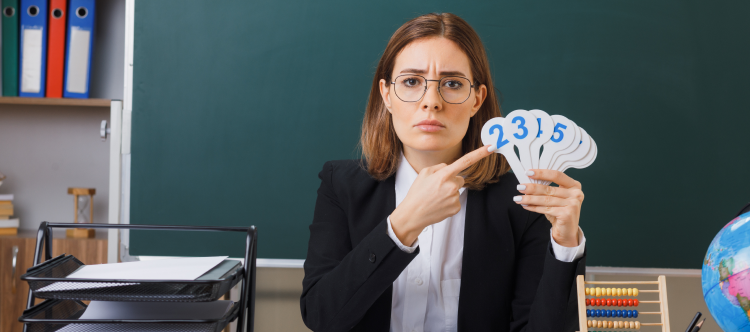
Traditional classrooms often rely on uniform instruction delivered at a fixed pace. While this may suit some learners, it leaves others struggling to keep up or feeling unchallenged.

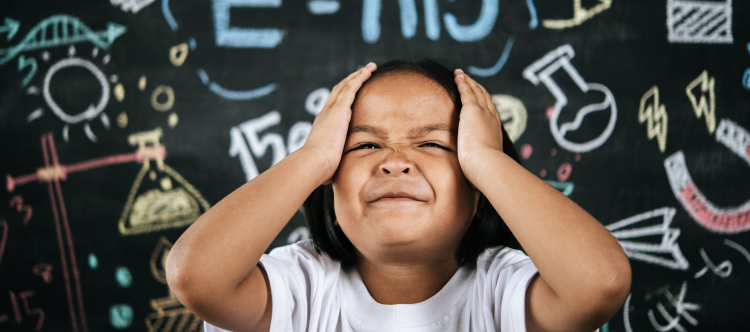
Learners differ in how quickly they process information, how they retain concepts, and how they respond to feedback. When these differences are ignored, learning becomes a race rather than a journey. Inclusive education requires flexibility. Differentiated instruction, adaptive tools, and personalised feedback help ensure that every learner can progress meaningfully.

Education should not ask learners to adapt to rigid systems systems should adapt to learners.
Comments (0)

Related Posts

The Economic Cost of Ignoring Learning Difficulties

Learning difficulties are often viewed as an educational issue, but their impact extends far beyond the classroom. When children do not receive adequate support, the long-term economic and social cos

Read More

Why Intelligence Is Not the Same as Academic Performance

For decades, education systems have relied heavily on academic performance as a proxy for intelligence. Test scores, grades, and exam rankings often define how learners are perceived. Yet this approa

Read More

The Hidden Crisis of Dyscalculia

Dyscalculia remains one of the least understood learning difficulties, despite affecting a significant number of learners worldwide. Often described as “maths dyslexia,” it impacts number sense, memo

Read More