The Role of Data in Personalised Learning

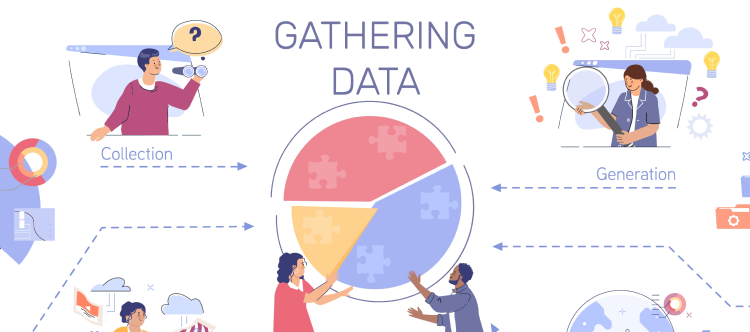
Data in education is often misunderstood as simply test scores. In reality, meaningful learning data includes patterns of engagement, response times, error trends, and learning preferences.

When used responsibly, data helps educators understand how learners interact with content and where support is needed. It enables personalised pathways that adapt to individual progress rather than enforcing uniform benchmarks.

Ethical, transparent use of data empowers learners and educators alike. It supports informed decisions while respecting privacy and safeguarding principles.

Data should illuminate learning not reduce learners to numbers.
Comments (0)

Related Posts

The Economic Cost of Ignoring Learning Difficulties

Learning difficulties are often viewed as an educational issue, but their impact extends far beyond the classroom. When children do not receive adequate support, the long-term economic and social cos

Read More

Why Intelligence Is Not the Same as Academic Performance

For decades, education systems have relied heavily on academic performance as a proxy for intelligence. Test scores, grades, and exam rankings often define how learners are perceived. Yet this approa

Read More

The Hidden Crisis of Dyscalculia

Dyscalculia remains one of the least understood learning difficulties, despite affecting a significant number of learners worldwide. Often described as “maths dyslexia,” it impacts number sense, memo

Read More