Understanding the Emotional Side of Learning

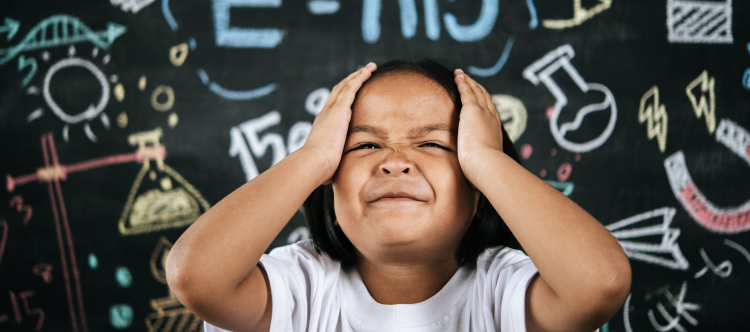
Learning is not purely cognitive; it is deeply emotional. Confidence, anxiety, motivation, and self-belief all influence how learners engage with new material.

Children who repeatedly experience failure may disengage not because they lack ability, but because they associate learning with negative emotions. Addressing emotional barriers is therefore as important as addressing academic ones.

Supportive feedback, realistic expectations, and a focus on progress rather than perfection can transform learning experiences. When learners feel safe, they are more willing to take risks and persist through challenges.

Education succeeds when emotional wellbeing and learning go hand in hand.

Comments (0)

Related Posts

The Economic Cost of Ignoring Learning Difficulties

Learning difficulties are often viewed as an educational issue, but their impact extends far beyond the classroom. When children do not receive adequate support, the long-term economic and social cos

Read More

Why Intelligence Is Not the Same as Academic Performance

For decades, education systems have relied heavily on academic performance as a proxy for intelligence. Test scores, grades, and exam rankings often define how learners are perceived. Yet this approa

Read More

The Hidden Crisis of Dyscalculia

Dyscalculia remains one of the least understood learning difficulties, despite affecting a significant number of learners worldwide. Often described as “maths dyslexia,” it impacts number sense, memo

Read More