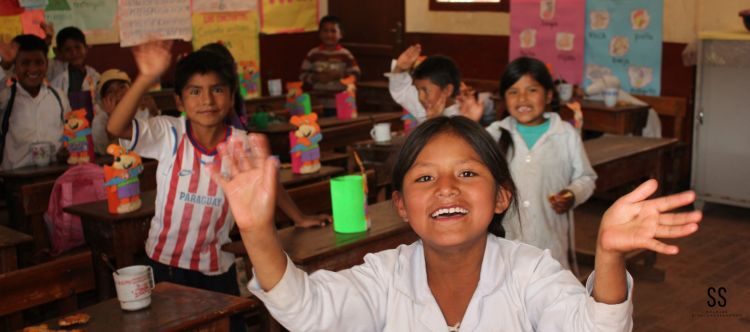
Special Educational Needs (SEN) provision is a vital part of any inclusive education system, ensuring that children with learning differences are not left behind. While many European countries have developed structured, well-funded SEN frameworks, Sri Lanka continues to face significant challenges, particularly when it comes to supporting children with maths related learning difficulties such as dyscalculia.
The disparity is not simply a matter of funding; it is also about policy, awareness, and teacher training. By examining successful models in Europe, we can identify practical, low cost strategies that could make a real difference in Sri Lankan classrooms.
The Current Situation in Sri Lanka
In Sri Lanka, awareness of SEN remains low, and support is often inconsistent. While some urban private schools have limited SEN provision, public schools especially in rural areas struggle with the following.
Lack of early screening tools for identifying learning difficulties
Minimal teacher training in SEN pedagogy, particularly for numeracy challenges
Limited access to specialised resources, such as educational psychologists or learning support assistants
Cultural stigma that discourages parents from seeking help for their children
As a result, many children with dyscalculia or maths anxiety are mislabelled as “lazy” or “slow,” leading to disengagement from education and, ultimately, poorer life outcomes.
How Europe Approaches SEN
Across Europe, and particularly in the UK, SEN provision is embedded into the education system. Some key features include:
Early Identification and Screening – Routine assessments in early primary years to detect learning difficulties before they escalate.
Dedicated SENCO Roles – In the UK, each school has a Special Educational Needs Coordinator (SENCO) responsible for creating individual learning plans, liaising with parents, and ensuring access to resources.
Teacher Training – Ongoing professional development in SEN strategies, often funded by the state.
Legislated Support – SEN provision is a legal requirement, with accountability measures for schools.
Government-Backed Programmes – Targeted funding for interventions like one-to-one tutoring, technology support, and resource rooms.
These frameworks ensure that SEN is not treated as an “optional extra,” but as a core part of the education system.
Key Differences: Sri Lanka vs. Europe
Area
Sri Lanka
Europe (e.g., UK)
Early Screening
Rare, inconsistent
Standardised, mandatory in early years
Teacher Training
Minimal SEN-specific training
Regular, government-funded programmes
Specialist Roles
Mostly absent
SENCO in every school
Funding
Very limited
Dedicated SEN budgets
Cultural Perception
Stigma often attached to SEN
Generally more open and supportive
Low-Cost, High-Impact Strategies for Sri Lanka
While Sri Lanka may not have the same resources as European nations, several affordable and practical steps could significantly improve SEN provision:
Simple, low-cost numeracy and literacy screening tools can identify at-risk children by age 6.
Partner with NGOs and universities for pilot programmes.
Adapt the UK’s SENCO model, even on a part-time basis.
Provide short, focused training modules for these leads.
Nationwide SEN awareness sessions as part of ongoing teacher training.
Focus on identifying and supporting maths learning difficulties.
Use free or low-cost adaptive learning apps to provide personalised support.
Encourage blended learning for children struggling with numeracy.
Run public awareness campaigns to reduce stigma.
Create parent support groups to share strategies and resources.
Why Policy Matters
nternational experience shows that without clear government policy and accountability, SEN provision remains inconsistent. Sri Lanka needs a national SEN strategy that mandates:
Early identification processes
Minimum training requirements for teachers
Integration of SEN support into school performance metrics
Collaboration between ministries of education, health, and social services
Looking Ahead
Bridging the SEN gap in Sri Lanka is not about replicating Europe’s system overnight, it’s about adapting proven frameworks to local realities. By starting with early screening, teacher training, and dedicated SEN leads, Sri Lanka could transform the educational experience for thousands of children who currently fall through the cracks.
As someone who has researched and written extensively about dyscalculia and SEN support, I believe Sri Lanka has both the talent and the willingness to create a more inclusive system. The challenge is turning that potential into action through policy reform, community engagement, and targeted innovation.
If you are an educator, policymaker, or NGO working in the field of special education, I’d love to collaborate on solutions that work for Sri Lanka. Let’s learn from global best practice and make inclusion a reality.
For as long as I can remember, I’ve been fascinated by how children learn and equally, by how some children struggle when the education system doesn’t meet their needs. In my research on Special Educ
Special Educational Needs (SEN) provision is a vital part of any inclusive education system, ensuring that children with learning differences are not left behind. While many European countries have d
When we talk about learning difficulties, dyslexia often dominates the conversation. Yet, there is another equally pervasive condition dyscalculia that remains largely invisible in global education s